The Hungry Years: Confessions of a Food Addict
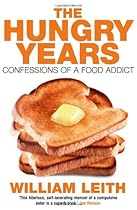
| Author | : | |
| Rating | : | 4.49 (816 Votes) |
| Asin | : | 0747572496 |
| Format Type | : | paperback |
| Number of Pages | : | 304 Pages |
| Publish Date | : | 0000-00-00 |
| Language | : | English |

DESCRIPTION:
Fat has been called a feminist issue. 'Hunger is the loudest voice in my head. In his twenties, Leith's weight had risen steadily. I'm hungry most of the time.' On a January morning in 2003, William Leith woke up to the fattest day of his life. That same day he left London for New York to interview controversial diet guru Dr Robert Atkins. "The Hungry Years" charts fascinating new territory for everyone who has ever had a craving or counted a calorie. But in this unflinching investigation into the bodily consequences and psychological pain of being overweight, Leith reveals how it affects us all. But what started out as a routine journalistic assignment set Leith on an intensely personal and illuminating journey into the mysteries of hunger and addiction. At his worst he was driven to the kitchen, manically consuming slice after slice of buttered toast, lusting after fries, bacon sandwiches and peanut butter, wracked by a need that was emotional as well as physical. In his ea
Here's the problem I don't hate this book, but it's not the book I thought it would be. From the review I'd read and from the title itself, I was expecting a book about food addiction. But it's not just about binge-eating, as William Leith is also heavily into coke, drinking and anything else that you might become addicted to (cell phones, casual sex). By the end of the memoir he seems to have become addicted to walking, tho. A Smoothly-Written Chronicle of Addiction Debra Hamel William Leith's The Hungry Years, written in smooth, stream-of-consciousness prose, is a chronicle of the author's addictions, principally to food but also to alcohol and drugs. Leith writes about bingeing and being fat (a word he injects into the narrative at every opportunity), about feeling fat even during his thin periods, about dieting--losing weight and gaining more back, losing and gaining. His hist. "Honest, but tedious and mundane throughout" according to Aimee Kinz. I tried to like William Leith's book but I found his writing tiresome and surprisingly unperceptive. The author has little insight into why he eats all the time, he just talks about how much of it he does, and though I could relate to his food addiction, I could not relate to his outlandish social commentary. What was his point in writing this memoir? I came away from the book with no definite answer to th
Atkins, leads him to explore fad diets, unhealthy food production and the ubiquitous media depictions of "perfect" human physiques. While some of British journalist Leith's facts have been reported elsewhere, his humorous anecdotes, compelling interviews and sobering statistics provide convincing arguments against processed foods, government nutritional requirements and other evils of the food chain. Copyright © Reed Business Information, a division of Reed Elsevier Inc. Hungry for answers, he starts seeing a therapist, who suggests that he eats compulsively b