Brain Quest Grade 1, revised 4th edition: 750 Questions and Answers to Challenge the Mind
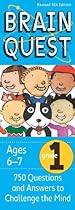
| Author | : | |
| Rating | : | 4.18 (987 Votes) |
| Asin | : | 0761166513 |
| Format Type | : | paperback |
| Number of Pages | : | 150 Pages |
| Publish Date | : | 2015-11-14 |
| Language | : | English |

DESCRIPTION:
. Chris Welles Feder has spent a great part of her life working in the field of education and is known to many as a writer for the children's educational series Brain Quest. She lives with her husband in New York City
-M-Martin- said Lackluster. I’ve used the K, 1st, "Lackluster" according to -M-Martin-. I’ve used the K, 1st, 2nd, and Lackluster I’ve used the K, 1st, 2nd, and 3rd grade decks as a supplement to our home-school to teach research skills. I am disappointed with this Lackluster -M-Martin- I’ve used the K, 1st, 2nd, and 3rd grade decks as a supplement to our home-school to teach research skills. I am disappointed with this 4th grade deck. It contains 148 cards, each with 10 questions (2 science, 2 English, 2 math, 2 miscellany, 1 US history, 1 geography).A few of the questions are similar enough to essentially be considered repeats (for example, cards 56 and 71 both ask to differentiate between “lose” and “loose”). A few of the questions are repeats from the 3rd grade deck (for example, card 1. th grade deck. It contains 1Lackluster -M-Martin- I’ve used the K, 1st, 2nd, and 3rd grade decks as a supplement to our home-school to teach research skills. I am disappointed with this 4th grade deck. It contains 148 cards, each with 10 questions (2 science, 2 English, 2 math, 2 miscellany, 1 US history, 1 geography).A few of the questions are similar enough to essentially be considered repeats (for example, cards 56 and 71 both ask to differentiate between “lose” and “loose”). A few of the questions are repeats from the 3rd grade deck (for example, card 1. 8 cards, each with 10 questions (2 science, 2 English, 2 math, 2 miscellany, 1 US history, 1 geography).A few of the questions are similar enough to essentially be considered repeats (for example, cards 56 and 71 both ask to differentiate between “lose” and “loose”). A few of the questions are repeats from the 3rd grade deck (for example, card 1. rd grade decks as a supplement to our home-school to teach research skills. I am disappointed with this Lackluster -M-Martin- I’ve used the K, 1st, 2nd, and 3rd grade decks as a supplement to our home-school to teach research skills. I am disappointed with this 4th grade deck. It contains 148 cards, each with 10 questions (2 science, 2 English, 2 math, 2 miscellany, 1 US history, 1 geography).A few of the questions are similar enough to essentially be considered repeats (for example, cards 56 and 71 both ask to differentiate between “lose” and “loose”). A few of the questions are repeats from the 3rd grade deck (for example, card 1. th grade deck. It contains 1Lackluster -M-Martin- I’ve used the K, 1st, 2nd, and 3rd grade decks as a supplement to our home-school to teach research skills. I am disappointed with this 4th grade deck. It contains 148 cards, each with 10 questions (2 science, 2 English, 2 math, 2 miscellany, 1 US history, 1 geography).A few of the questions are similar enough to essentially be considered repeats (for example, cards 56 and 71 both ask to differentiate between “lose” and “loose”). A few of the questions are repeats from the 3rd grade deck (for example, card 1. 8 cards, each with 10 questions (2 science, 2 English, 2 math, 2 miscellany, 1 US history, 1 geography).A few of the questions are similar enough to essentially be considered repeats (for example, cards 56 and 71 both ask to differentiate between “lose” and “loose”). A few of the questions are repeats from the Lackluster I’ve used the K, 1st, 2nd, and 3rd grade decks as a supplement to our home-school to teach research skills. I am disappointed with this Lackluster -M-Martin- I’ve used the K, 1st, 2nd, and 3rd grade decks as a supplement to our home-school to teach research skills. I am disappointed with this 4th grade deck. It contains 148 cards, each with 10 questions (2 science, 2 English, 2 math, 2 miscellany, 1 US history, 1 geography).A few of the questions are similar enough to essentially be considered repeats (for example, cards 56 and 71 both ask to differentiate between “lose” and “loose”). A few of the questions are repeats from the 3rd grade deck (for example, card 1. th grade deck. It contains 1Lackluster -M-Martin- I’ve used the K, 1st, 2nd, and 3rd grade decks as a supplement to our home-school to teach research skills. I am disappointed with this 4th grade deck. It contains 148 cards, each with 10 questions (2 science, 2 English, 2 math, 2 miscellany, 1 US history, 1 geography).A few of the questions are similar enough to essentially be considered repeats (for example, cards 56 and 71 both ask to differentiate between “lose” and “loose”). A few of the questions are repeats from the 3rd grade deck (for example, card 1. 8 cards, each with 10 questions (2 science, 2 English, 2 math, 2 miscellany, 1 US history, 1 geography).A few of the questions are similar enough to essentially be considered repeats (for example, cards 56 and 71 both ask to differentiate between “lose” and “loose”). A few of the questions are repeats from the 3rd grade deck (for example, card 1. rd grade deck (for example, card 1. nd, and Lackluster I’ve used the K, 1st, 2nd, and 3rd grade decks as a supplement to our home-school to teach research skills. I am disappointed with this Lackluster -M-Martin- I’ve used the K, 1st, 2nd, and 3rd grade decks as a supplement to our home-school to teach research skills. I am disappointed with this 4th grade deck. It contains 148 cards, each with 10 questions (2 science, 2 English, 2 math, 2 miscellany, 1 US history, 1 geography).A few of the questions are similar enough to essentially be considered repeats (for example, cards 56 and 71 both ask to differentiate between “lose” and “loose”). A few of the questions are repeats from the 3rd grade deck (for example, card 1. th grade deck. It contains 1Lackluster -M-Martin- I’ve used the K, 1st, 2nd, and 3rd grade decks as a supplement to our home-school to teach research skills. I am disappointed with this 4th grade deck. It contains 148 cards, each with 10 questions (2 science, 2 English, 2 math, 2 miscellany, 1 US history, 1 geography).A few of the questions are similar enough to essentially be considered repeats (for example, cards 56 and 71 both ask to differentiate between “lose” and “loose”). A few of the questions are repeats from the 3rd grade deck (for example, card 1. 8 cards, each with 10 questions (2 science, 2 English, 2 math, 2 miscellany, 1 US history, 1 geography).A few of the questions are similar enough to essentially be considered repeats (for example, cards 56 and 71 both ask to differentiate between “lose” and “loose”). A few of the questions are repeats from the 3rd grade deck (for example, card 1. rd grade decks as a supplement to our home-school to teach research skills. I am disappointed with this Lackluster -M-Martin- I’ve used the K, 1st, 2nd, and 3rd grade decks as a supplement to our home-school to teach research skills. I am disappointed with this 4th grade deck. It contains 148 cards, each with 10 questions (2 science, 2 English, 2 math, 2 miscellany, 1 US history, 1 geography).A few of the questions are similar enough to essentially be considered repeats (for example, cards 56 and 71 both ask to differentiate between “lose” and “loose”). A few of the questions are repeats from the 3rd grade deck (for example, card 1. th grade deck. It contains 1Lackluster -M-Martin- I’ve used the K, 1st, 2nd, and 3rd grade decks as a supplement to our home-school to teach research skills. I am disappointed with this 4th grade deck. It contains 148 cards, each with 10 questions (2 science, 2 English, 2 math, 2 miscellany, 1 US history, 1 geography).A few of the questions are similar enough to essentially be considered repeats (for example, cards 56 and 71 both ask to differentiate between “lose” and “loose”). A few of the questions are repeats from the 3rd grade deck (for example, card 1. 8 cards, each with 10 questions ("Lackluster" according to -M-Martin-. I’ve used the K, 1st, 2nd, and Lackluster I’ve used the K, 1st, 2nd, and 3rd grade decks as a supplement to our home-school to teach research skills. I am disappointed with this Lackluster -M-Martin- I’ve used the K, 1st, 2nd, and 3rd grade decks as a supplement to our home-school to teach research skills. I am disappointed with this 4th grade deck. It contains 148 cards, each with 10 questions (2 science, 2 English, 2 math, 2 miscellany, 1 US history, 1 geography).A few of the questions are similar enough to essentially be considered repeats (for example, cards 56 and 71 both ask to differentiate between “lose” and “loose”). A few of the questions are repeats from the 3rd grade deck (for example, card 1. th grade deck. It contains 1Lackluster -M-Martin- I’ve used the K, 1st, 2nd, and 3rd grade decks as a supplement to our home-school to teach research skills. I am disappointed with this 4th grade deck. It contains 148 cards, each with 10 questions (2 science, 2 English, 2 math, 2 miscellany, 1 US history, 1 geography).A few of the questions are similar enough to essentially be considered repeats (for example, cards 56 and 71 both ask to differentiate between “lose” and “loose”). A few of the questions are repeats from the 3rd grade deck (for example, card 1. 8 cards, each with 10 questions (2 science, 2 English, 2 math, 2 miscellany, 1 US history, 1 geography).A few of the questions are similar enough to essentially be considered repeats (for example, cards 56 and 71 both ask to differentiate between “lose” and “loose”). A few of the questions are repeats from the 3rd grade deck (for example, card 1. rd grade decks as a supplement to our home-school to teach research skills. I am disappointed with this Lackluster -M-Martin- I’ve used the K, 1st, 2nd, and 3rd grade decks as a supplement to our home-school to teach research skills. I am disappointed with this 4th grade deck. It contains 148 cards, each with 10 questions (2 science, 2 English, 2 math, 2 miscellany, 1 US history, 1 geography).A few of the questions are similar enough to essentially be considered repeats (for example, cards 56 and 71 both ask to differentiate between “lose” and “loose”). A few of the questions are repeats from the 3rd grade deck (for example, card 1. th grade deck. It contains 1Lackluster -M-Martin- I’ve used the K, 1st, 2nd, and 3rd grade decks as a supplement to our home-school to teach research skills. I am disappointed with this 4th grade deck. It contains 148 cards, each with 10 questions (2 science, 2 English, 2 math, 2 miscellany, 1 US history, 1 geography).A few of the questions are similar enough to essentially be considered repeats (for example, cards 56 and 71 both ask to differentiate between “lose” and “loose”). A few of the questions are repeats from the 3rd grade deck (for example, card 1. 8 cards, each with 10 questions (2 science, 2 English, 2 math, 2 miscellany, 1 US history, 1 geography).A few of the questions are similar enough to essentially be considered repeats (for example, cards 56 and 71 both ask to differentiate between “lose” and “loose”). A few of the questions are repeats from the Lackluster I’ve used the K, 1st, 2nd, and 3rd grade decks as a supplement to our home-school to teach research skills. I am disappointed with this Lackluster -M-Martin- I’ve used the K, 1st, 2nd, and 3rd grade decks as a supplement to our home-school to teach research skills. I am disappointed with this 4th grade deck. It contains 148 cards, each with 10 questions (2 science, 2 English, 2 math, 2 miscellany, 1 US history, 1 geography).A few of the questions are similar enough to essentially be considered repeats (for example, cards 56 and 71 both ask to differentiate between “lose” and “loose”). A few of the questions are repeats from the 3rd grade deck (for example, card 1. th grade deck. It contains 1Lackluster -M-Martin- I’ve used the K, 1st, 2nd, and 3rd grade decks as a supplement to our home-school to teach research skills. I am disappointed with this 4th grade deck. It contains 148 cards, each with 10 questions (2 science, 2 English, 2 math, 2 miscellany, 1 US history, 1 geography).A few of the questions are similar enough to essentially be considered repeats (for example, cards 56 and 71 both ask to differentiate between “lose” and “loose”). A few of the questions are repeats from the 3rd grade deck (for example, card 1. 8 cards, each with 10 questions (2 science, 2 English, 2 math, 2 miscellany, 1 US history, 1 geography).A few of the questions are similar enough to essentially be considered repeats (for example, cards 56 and 71 both ask to differentiate between “lose” and “loose”). A few of the questions are repeats from the 3rd grade deck (for example, card 1. rd grade deck (for example, card 1. science, "Lackluster" according to -M-Martin-. I’ve used the K, 1st, 2nd, and Lackluster I’ve used the K, 1st, 2nd, and 3rd grade decks as a supplement to our home-school to teach research skills. I am disappointed with this Lackluster -M-Martin- I’ve used the K, 1st, 2nd, and 3rd grade decks as a supplement to our home-school to teach research skills. I am disappointed with this 4th grade deck. It contains 148 cards, each with 10 questions (2 science, 2 English, 2 math, 2 miscellany, 1 US history, 1 geography).A few of the questions are similar enough to essentially be considered repeats (for example, cards 56 and 71 both ask to differentiate between “lose” and “loose”). A few of the questions are repeats from the 3rd grade deck (for example, card 1. th grade deck. It contains 1Lackluster -M-Martin- I’ve used the K, 1st, 2nd, and 3rd grade decks as a supplement to our home-school to teach research skills. I am disappointed with this 4th grade deck. It contains 148 cards, each with 10 questions (2 science, 2 English, 2 math, 2 miscellany, 1 US history, 1 geography).A few of the questions are similar enough to essentially be considered repeats (for example, cards 56 and 71 both ask to differentiate between “lose” and “loose”). A few of the questions are repeats from the 3rd grade deck (for example, card 1. 8 cards, each with 10 questions (2 science, 2 English, 2 math, 2 miscellany, 1 US history, 1 geography).A few of the questions are similar enough to essentially be considered repeats (for example, cards 56 and 71 both ask to differentiate between “lose” and “loose”). A few of the questions are repeats from the 3rd grade deck (for example, card 1. rd grade decks as a supplement to our home-school to teach research skills. I am disappointed with this Lackluster -M-Martin- I’ve used the K, 1st, 2nd, and 3rd grade decks as a supplement to our home-school to teach research skills. I am disappointed with this 4th grade deck. It contains 148 cards, each with 10 questions (2 science, 2 English, 2 math, 2 miscellany, 1 US history, 1 geography).A few of the questions are similar enough to essentially be considered repeats (for example, cards 56 and 71 both ask to differentiate between “lose” and “loose”). A few of the questions are repeats from the 3rd grade deck (for example, card 1. th grade deck. It contains 1Lackluster -M-Martin- I’ve used the K, 1st, 2nd, and 3rd grade decks as a supplement to our home-school to teach research skills. I am disappointed with this 4th grade deck. It contains 148 cards, each with 10 questions (2 science, 2 English, 2 math, 2 miscellany, 1 US history, 1 geography).A few of the questions are similar enough to essentially be considered repeats (for example, cards 56 and 71 both ask to differentiate between “lose” and “loose”). A few of the questions are repeats from the 3rd grade deck (for example, card 1. 8 cards, each with 10 questions (2 science, 2 English, 2 math, 2 miscellany, 1 US history, 1 geography).A few of the questions are similar enough to essentially be considered repeats (for example, cards 56 and 71 both ask to differentiate between “lose” and “loose”). A few of the questions are repeats from the Lackluster I’ve used the K, 1st, 2nd, and 3rd grade decks as a supplement to our home-school to teach research skills. I am disappointed with this Lackluster -M-Martin- I’ve used the K, 1st, 2nd, and 3rd grade decks as a supplement to our home-school to teach research skills. I am disappointed with this 4th grade deck. It contains 148 cards, each with 10 questions (2 science, 2 English, 2 math, 2 miscellany, 1 US history, 1 geography).A few of the questions are similar enough to essentially be considered repeats (for example, cards 56 and 71 both ask to differentiate between “lose” and “loose”). A few of the questions are repeats from the 3rd grade deck (for example, card 1. th grade deck. It contains 1Lackluster -M-Martin- I’ve used the K, 1st, 2nd, and 3rd grade decks as a supplement to our home-school to teach research skills. I am disappointed with this 4th grade deck. It contains 148 cards, each with 10 questions (2 science, 2 English, 2 math, 2 miscellany, 1 US history, 1 geography).A few of the questions are similar enough to essentially be considered repeats (for example, cards 56 and 71 both ask to differentiate between “lose” and “loose”). A few of the questions are repeats from the 3rd grade deck (for example, card 1. 8 cards, each with 10 questions (2 science, 2 English, 2 math, 2 miscellany, 1 US history, 1 geography).A few of the questions are similar enough to essentially be considered repeats (for example, cards 56 and 71 both ask to differentiate between “lose” and “loose”). A few of the questions are repeats from the 3rd grade deck (for example, card 1. rd grade deck (for example, card 1. English, "Lackluster" according to -M-Martin-. I’ve used the K, 1st, 2nd, and Lackluster I’ve used the K, 1st, 2nd, and 3rd grade decks as a supplement to our home-school to teach research skills. I am disappointed with this Lackluster -M-Martin- I’ve used the K, 1st, 2nd, and 3rd grade decks as a supplement to our home-school to teach research skills. I am disappointed with this 4th grade deck. It contains 148 cards, each with 10 questions (2 science, 2 English, 2 math, 2 miscellany, 1 US history, 1 geography).A few of the questions are similar enough to essentially be considered repeats (for example, cards 56 and 71 both ask to differentiate between “lose” and “loose”). A few of the questions are repeats from the 3rd grade deck (for example, card 1. th grade deck. It contains 1Lackluster -M-Martin- I’ve used the K, 1st, 2nd, and 3rd grade decks as a supplement to our home-school to teach research skills. I am disappointed with this 4th grade deck. It contains 148 cards, each with 10 questions (2 science, 2 English, 2 math, 2 miscellany, 1 US history, 1 geography).A few of the questions are similar enough to essentially be considered repeats (for example, cards 56 and 71 both ask to differentiate between “lose” and “loose”). A few of the questions are repeats from the 3rd grade deck (for example, card 1. 8 cards, each with 10 questions (2 science, 2 English, 2 math, 2 miscellany, 1 US history, 1 geography).A few of the questions are similar enough to essentially be considered repeats (for example, cards 56 and 71 both ask to differentiate between “lose” and “loose”). A few of the questions are repeats from the 3rd grade deck (for example, card 1. rd grade decks as a supplement to our home-school to teach research skills. I am disappointed with this Lackluster -M-Martin- I’ve used the K, 1st, 2nd, and 3rd grade decks as a supplement to our home-school to teach research skills. I am disappointed with this 4th grade deck. It contains 148 cards, each with 10 questions (2 science, 2 English, 2 math, 2 miscellany, 1 US history, 1 geography).A few of the questions are similar enough to essentially be considered repeats (for example, cards 56 and 71 both ask to differentiate between “lose” and “loose”). A few of the questions are repeats from the 3rd grade deck (for example, card 1. th grade deck. It contains 1Lackluster -M-Martin- I’ve used the K, 1st, 2nd, and 3rd grade decks as a supplement to our home-school to teach research skills. I am disappointed with this 4th grade deck. It contains 148 cards, each with 10 questions (2 science, 2 English, 2 math, 2 miscellany, 1 US history, 1 geography).A few of the questions are similar enough to essentially be considered repeats (for example, cards 56 and 71 both ask to differentiate between “lose” and “loose”). A few of the questions are repeats from the 3rd grade deck (for example, card 1. 8 cards, each with 10 questions (2 science, 2 English, 2 math, 2 miscellany, 1 US history, 1 geography).A few of the questions are similar enough to essentially be considered repeats (for example, cards 56 and 71 both ask to differentiate between “lose” and “loose”). A few of the questions are repeats from the Lackluster I’ve used the K, 1st, 2nd, and 3rd grade decks as a supplement to our home-school to teach research skills. I am disappointed with this Lackluster -M-Martin- I’ve used the K, 1st, 2nd, and 3rd grade decks as a supplement to our home-school to teach research skills. I am disappointed with this 4th grade deck. It contains 148 cards, each with 10 questions (2 science, 2 English, 2 math, 2 miscellany, 1 US history, 1 geography).A few of the questions are similar enough to essentially be considered repeats (for example, cards 56 and 71 both ask to differentiate between “lose” and “loose”). A few of the questions are repeats from the 3rd grade deck (for example, card 1. th grade deck. It contains 1Lackluster -M-Martin- I’ve used the K, 1st, 2nd, and 3rd grade decks as a supplement to our home-school to teach research skills. I am disappointed with this 4th grade deck. It contains 148 cards, each with 10 questions (2 science, 2 English, 2 math, 2 miscellany, 1 US history, 1 geography).A few of the questions are similar enough to essentially be considered repeats (for example, cards 56 and 71 both ask to differentiate between “lose” and “loose”). A few of the questions are repeats from the 3rd grade deck (for example, card 1. 8 cards, each with 10 questions (2 science, 2 English, 2 math, 2 miscellany, 1 US history, 1 geography).A few of the questions are similar enough to essentially be considered repeats (for example, cards 56 and 71 both ask to differentiate between “lose” and “loose”). A few of the questions are repeats from the 3rd grade deck (for example, card 1. rd grade deck (for example, card 1. math, "Lackluster" according to -M-Martin-. I’ve used the K, 1st, 2nd, and Lackluster I’ve used the K, 1st, 2nd, and 3rd grade decks as a supplement to our home-school to teach research skills. I am disappointed with this Lackluster -M-Martin- I’ve used the K, 1st, 2nd, and 3rd grade decks as a supplement to our home-school to teach research skills. I am disappointed with this 4th grade deck. It contains 148 cards, each with 10 questions (2 science, 2 English, 2 math, 2 miscellany, 1 US history, 1 geography).A few of the questions are similar enough to essentially be considered repeats (for example, cards 56 and 71 both ask to differentiate between “lose” and “loose”). A few of the questions are repeats from the 3rd grade deck (for example, card 1. th grade deck. It contains 1Lackluster -M-Martin- I’ve used the K, 1st, 2nd, and 3rd grade decks as a supplement to our home-school to teach research skills. I am disappointed with this 4th grade deck. It contains 148 cards, each with 10 questions (2 science, 2 English, 2 math, 2 miscellany, 1 US history, 1 geography).A few of the questions are similar enough to essentially be considered repeats (for example, cards 56 and 71 both ask to differentiate between “lose” and “loose”). A few of the questions are repeats from the 3rd grade deck (for example, card 1. 8 cards, each with 10 questions (2 science, 2 English, 2 math, 2 miscellany, 1 US history, 1 geography).A few of the questions are similar enough to essentially be considered repeats (for example, cards 56 and 71 both ask to differentiate between “lose” and “loose”). A few of the questions are repeats from the 3rd grade deck (for example, card 1. rd grade decks as a supplement to our home-school to teach research skills. I am disappointed with this Lackluster -M-Martin- I’ve used the K, 1st, 2nd, and 3rd grade decks as a supplement to our home-school to teach research skills. I am disappointed with this 4th grade deck. It contains 148 cards, each with 10 questions (2 science, 2 English, 2 math, 2 miscellany, 1 US history, 1 geography).A few of the questions are similar enough to essentially be considered repeats (for example, cards 56 and 71 both ask to differentiate between “lose” and “loose”). A few of the questions are repeats from the 3rd grade deck (for example, card 1. th grade deck. It contains 1Lackluster -M-Martin- I’ve used the K, 1st, 2nd, and 3rd grade decks as a supplement to our home-school to teach research skills. I am disappointed with this 4th grade deck. It contains 148 cards, each with 10 questions (2 science, 2 English, 2 math, 2 miscellany, 1 US history, 1 geography).A few of the questions are similar enough to essentially be considered repeats (for example, cards 56 and 71 both ask to differentiate between “lose” and “loose”). A few of the questions are repeats from the 3rd grade deck (for example, card 1. 8 cards, each with 10 questions (2 science, 2 English, 2 math, 2 miscellany, 1 US history, 1 geography).A few of the questions are similar enough to essentially be considered repeats (for example, cards 56 and 71 both ask to differentiate between “lose” and “loose”). A few of the questions are repeats from the Lackluster I’ve used the K, 1st, 2nd, and 3rd grade decks as a supplement to our home-school to teach research skills. I am disappointed with this Lackluster -M-Martin- I’ve used the K, 1st, 2nd, and 3rd grade decks as a supplement to our home-school to teach research skills. I am disappointed with this 4th grade deck. It contains 148 cards, each with 10 questions (2 science, 2 English, 2 math, 2 miscellany, 1 US history, 1 geography).A few of the questions are similar enough to essentially be considered repeats (for example, cards 56 and 71 both ask to differentiate between “lose” and “loose”). A few of the questions are repeats from the 3rd grade deck (for example, card 1. th grade deck. It contains 1Lackluster -M-Martin- I’ve used the K, 1st, 2nd, and 3rd grade decks as a supplement to our home-school to teach research skills. I am disappointed with this 4th grade deck. It contains 148 cards, each with 10 questions (2 science, 2 English, 2 math, 2 miscellany, 1 US history, 1 geography).A few of the questions are similar enough to essentially be considered repeats (for example, cards 56 and 71 both ask to differentiate between “lose” and “loose”). A few of the questions are repeats from the 3rd grade deck (for example, card 1. 8 cards, each with 10 questions (2 science, 2 English, 2 math, 2 miscellany, 1 US history, 1 geography).A few of the questions are similar enough to essentially be considered repeats (for example, cards 56 and 71 both ask to differentiate between “lose” and “loose”). A few of the questions are repeats from the 3rd grade deck (for example, card 1. rd grade deck (for example, card 1. miscellany, 1 US history, 1 geography).A few of the questions are similar enough to essentially be considered repeats (for example, cards 56 and 71 both ask to differentiate between “lose” and “loose”). A few of the questions are repeats from the Lackluster I’ve used the K, 1st, 2nd, and 3rd grade decks as a supplement to our home-school to teach research skills. I am disappointed with this Lackluster -M-Martin- I’ve used the K, 1st, 2nd, and 3rd grade decks as a supplement to our home-school to teach research skills. I am disappointed with this 4th grade deck. It contains 148 cards, each with 10 questions (2 science, 2 English, 2 math, 2 miscellany, 1 US history, 1 geography).A few of the questions are similar enough to essentially be considered repeats (for example, cards 56 and 71 both ask to differentiate between “lose” and “loose”). A few of the questions are repeats from the 3rd grade deck (for example, card 1. th grade deck. It contains 1Lackluster -M-Martin- I’ve used the K, 1st, 2nd, and 3rd grade decks as a supplement to our home-school to teach research skills. I am disappointed with this 4th grade deck. It contains 148 cards, each with 10 questions (2 science, 2 English, 2 math, 2 miscellany, 1 US history, 1 geography).A few of the questions are similar enough to essentially be considered repeats (for example, cards 56 and 71 both ask to differentiate between “lose” and “loose”). A few of the questions are repeats from the 3rd grade deck (for example, card 1. 8 cards, each with 10 questions (2 science, 2 English, 2 math, 2 miscellany, 1 US history, 1 geography).A few of the questions are similar enough to essentially be considered repeats (for example, cards 56 and 71 both ask to differentiate between “lose” and “loose”). A few of the questions are repeats from the 3rd grade deck (for example, card 1. rd grade deck (for example, card 1. Mary H. said I can highly recommend the Kindergarten ones--but these seem more difficult than 1st. My son really enjoys these flash cards. We were surprised at the seemingly incredible jump in complexity between the Kindergarten flash cards and these 1st grade flash cards--there are questions on these cards that I don't even know the answers to, and lots of complex sentence structure questions. No pictures at all, and they require the child to be able to read to answer many of the questions. I can highly recommend the Kindergarten ones--but these seem more difficult than 1st grade work.. Brain Quest has been a favorite in our house for a few years now Amazon Customer Brain Quest has been a favorite in our house for a few years now. I find this format very easy to use with my son and it's a welcome change from traditional workbooks. The only reason for the less-than-perfect rating is it seems a bit easy for the recommended grade level. My son has just finished second grade and Brain Quest Grade 3 feels more like a review for what they had learned already. We will use it as a summer bridge activity and then switch to Grade 4 cards. Still love it and highly recommend.
It’s the curriculum-based, fast-paced, question-and-answer game that challenges kids on the stuff they need to know, when they need to know it. It’s the brand that says “It’s fun to be smart!” And it delivers. The covers and cards have a refreshed design, giving Brain Quest a cooler, updated look.. For the fourth edition every deck is thoroughly revised and includes 20 percent new material. The content aligns with national and state standards and is overseen by the Brain Quest Advisory Board, a panel of award-winning educators, each a recent state teacher-of-the-year award winner or a recipient of the prestigious Milken Educator Award. Brain Quest is beloved by kids, trusted by parents, used and recommended by teachers
Completely revised and updated to reflect the latest school standards, BRAIN QUEST is the fast-paced educational bestseller that quizzes you on the stuff you need to know, when you need to know it.CURRICULUM-BASED!TEACHER APPROVED BY THE BRAIN QUEST PANEL OF AWARD WINNING EDUCATORS. . From the Back Cover It's O.K To Be Smart!Smart, fresher, better than ever